
Enhancing Learning Experiences: Top Classroom Tools for Effective Lesson-Plan Integrations
1. Interactive Whiteboards
Interactive whiteboards revolutionize traditional teaching by providing a dynamic platform for lesson delivery. They combine the features of a projector and a whiteboard, allowing teachers to display multimedia content, annotate lessons in real-time, and engage students more effectively. By integrating tools like Google Jamboard or Microsoft Whiteboard, teachers can encourage collaborative problem-solving among students. The incorporation of interactive quizzes during lessons can also serve as a reflective tool, allowing instant feedback.
2. Learning Management Systems (LMS)
Learning Management Systems like Google Classroom, Canvas, and Moodle are essential for a structured educational experience. This software allows teachers to manage course materials, track student progress, and facilitate communication. With features like assignment tracking, discussion forums, and grading sheets, an LMS provides a centralized hub for both students and teachers. Integration of external resources like articles, videos, and interactive quizzes amplifies the learning journey and ensures seamless access to various educational materials.
3. Gamification Tools
Gamification tools are a powerful way to motivate students and enhance engagement through game-design elements in non-game contexts. Platforms like Kahoot!, Quizizz, and Classcraft enable teachers to create fun, interactive quizzes and competitions that not only reinforce learning but also foster camaraderie among students. Incorporating game mechanics such as points, badges, and leaderboards adds a competitive element that can motivate students to improve their performance.
4. Educational Apps
Apps like Duolingo, Kahoot!, and Nearpod provide tailored learning experiences across multiple subjects. These apps often use multimedia resources like videos, infographics, and interactive exercises to cater to different learning styles. By allowing students to work at their own pace, educational apps fulfill individualized learning needs. Teachers can integrate these apps into lesson plans to facilitate both homework assignments and collaborative class activities.
5. Video Conferencing Tools
Tools like Zoom and Microsoft Teams enable effective virtual learning environments. Their features—like screen sharing, breakout rooms, and chat functions—enhance classroom dynamics, especially for remote learning. Teachers can utilize these platforms to conduct real-time discussions, host guest speakers, and facilitate group work, ensuring that students remain engaged even from a distance. Additionally, recorded sessions allow for flexibility, giving students the chance to revisit lesson content at their convenience.
6. Digital Portfolios
Digital portfolios, such as Seesaw or Google Sites, provide a way for students to showcase their learning journeys. These platforms empower students to document their progress, reflect on their work, and share their accomplishments with peers and families. By integrating digital portfolios into lesson plans, teachers can facilitate personalized learning experiences where students can express creativity and critical thinking, actively contributing to their educational development.
7. Virtual Reality (VR) and Augmented Reality (AR)
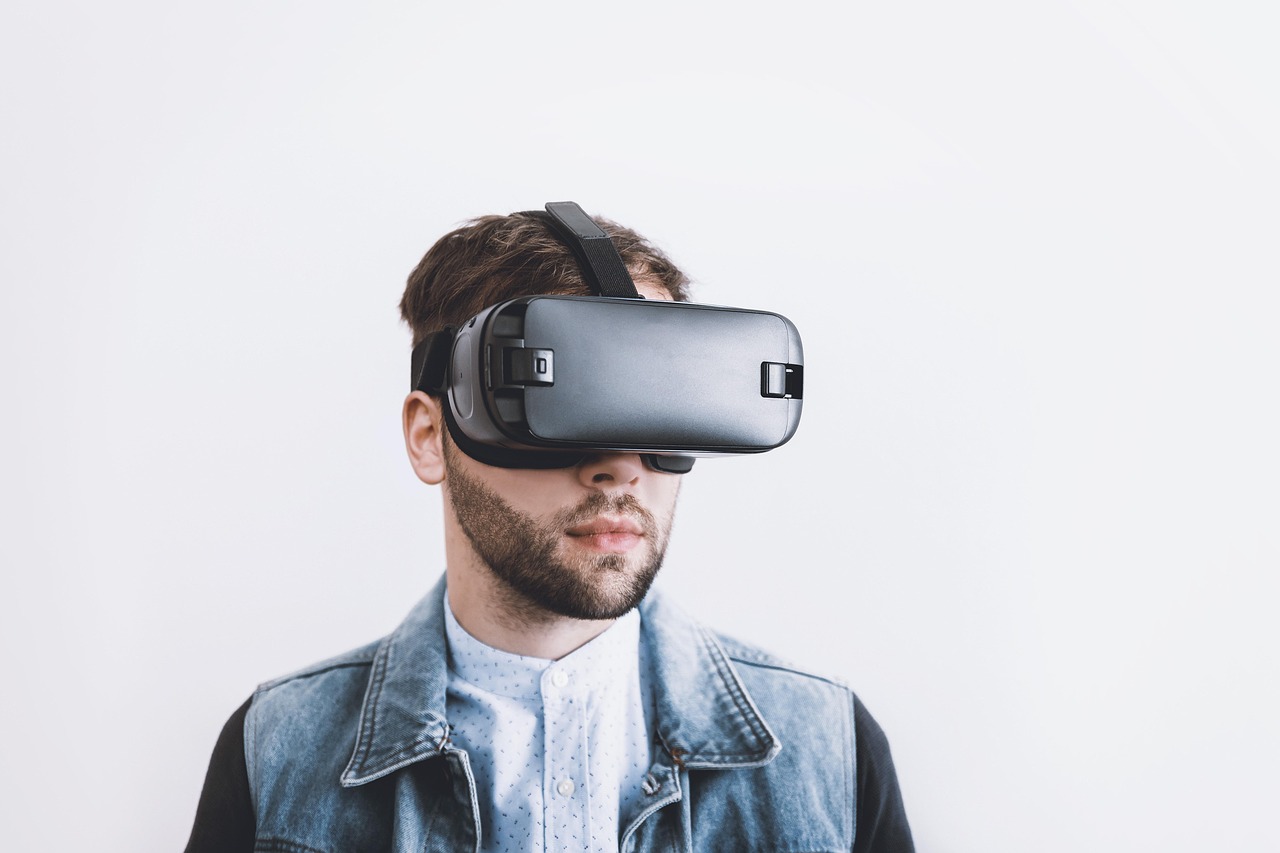
VR and AR technologies offer immersive learning experiences that transcend traditional boundaries. Tools like Google Expeditions and Oculus Education allow students to explore historical sites, conduct scientific experiments, or visualize complex concepts in 3D space. Integrating VR and AR into lesson plans can make abstract ideas tangible and inspire curiosity. Although they require initial investment and training, the engagement and experiential learning they promote are invaluable.
8. Collaboration Tools
Collaboration tools like Padlet, Trello, and Microsoft Teams encourage teamwork among students. These platforms allow for real-time collaboration on projects, brainstorming sessions, and knowledge sharing. Teachers can integrate these tools into lesson plans by assigning group projects or facilitating peer reviews, fostering community and communication skills. With collaboration tools, students learn to articulate their ideas and approach problem-solving collectively.
9. Assessment Tools
Assessment tools like Google Forms, Socrative, and Formative enhance the evaluation process. They provide teachers with real-time insights into student understanding through quizzes, polls, and surveys. By integrating these assessments into lesson plans, educators can quickly identify areas where students struggle, allowing for timely interventions. These tools also provide a platform for formative assessments, helping teachers to adjust teaching strategies based on immediate feedback.
10. Digital Storytelling Tools
Platforms like Adobe Spark and Storybird allow students to create narratives, enhancing their creativity and communication skills. By integrating digital storytelling into lesson plans, teachers can encourage students to illustrate their understanding of topics through personal stories, animations, or podcasts. This method supports literacy development and helps students articulate their thoughts and feelings, enhancing emotional engagement in learning.
11. Mind Mapping Tools
Mind mapping tools like MindMeister and Coggle assist in organizing thoughts visually. These tools enable both teachers and students to break down complex ideas into manageable components. By integrating mind mapping into lesson plans, educators can encourage brainstorming, summarize key concepts, and promote collaboration. They are particularly beneficial for lesson planning, ensuring that all relevant materials and ideas are linked coherently.
12. Coding and Robotics Kits
Introducing coding and robotics kits such as LEGO Mindstorms and Raspberry Pi into the classroom fosters critical thinking and problem-solving skills. By integrating these tools into STEM-related lesson plans, teachers provide hands-on learning that enhances engagement and innovation. Students gain practical experience through project-based learning, effectively connecting abstract concepts in programming and robotics to real-world applications.
13. Online Research Tools
Utilizing online research tools like Google Scholar, JSTOR, and Britannica can enhance students’ research capabilities. Teaching students to navigate these platforms develops their critical thinking and information literacy skills. Integrating these tools into lesson plans encourages students to engage with credible sources, enhancing the quality of their work and deepening their understanding of topics.
14. Blogs and Wiki Platforms
Utilizing blogging and wiki platforms, such as WordPress or Wikispaces, encourages collaboration and knowledge sharing. Students can create, edit, and discuss content, fostering a community of learners. Integrating blogs into lesson plans allows for reflections on learning experiences, promoting a deeper understanding through writing. Wiki platforms can serve as collaborative projects where students collectively build knowledge on a specific topic.
15. Accessibility Tools
Incorporating accessibility tools into lesson planning ensures an inclusive learning environment for all students. Tools like Read&Write and Learning Ally provide support for students with diverse needs, enabling them to engage fully in the learning process. Offering various means of representation, engagement, and expression is essential to accommodating individual differences, promoting equity in education.
By implementing these innovative classroom tools, educators can create immersive, customized, and engaging learning experiences. Each tool serves a distinct purpose and can be integrated into lesson plans to address different learning styles and objectives, ultimately enhancing educational outcomes for all students.